
Sport Psychology
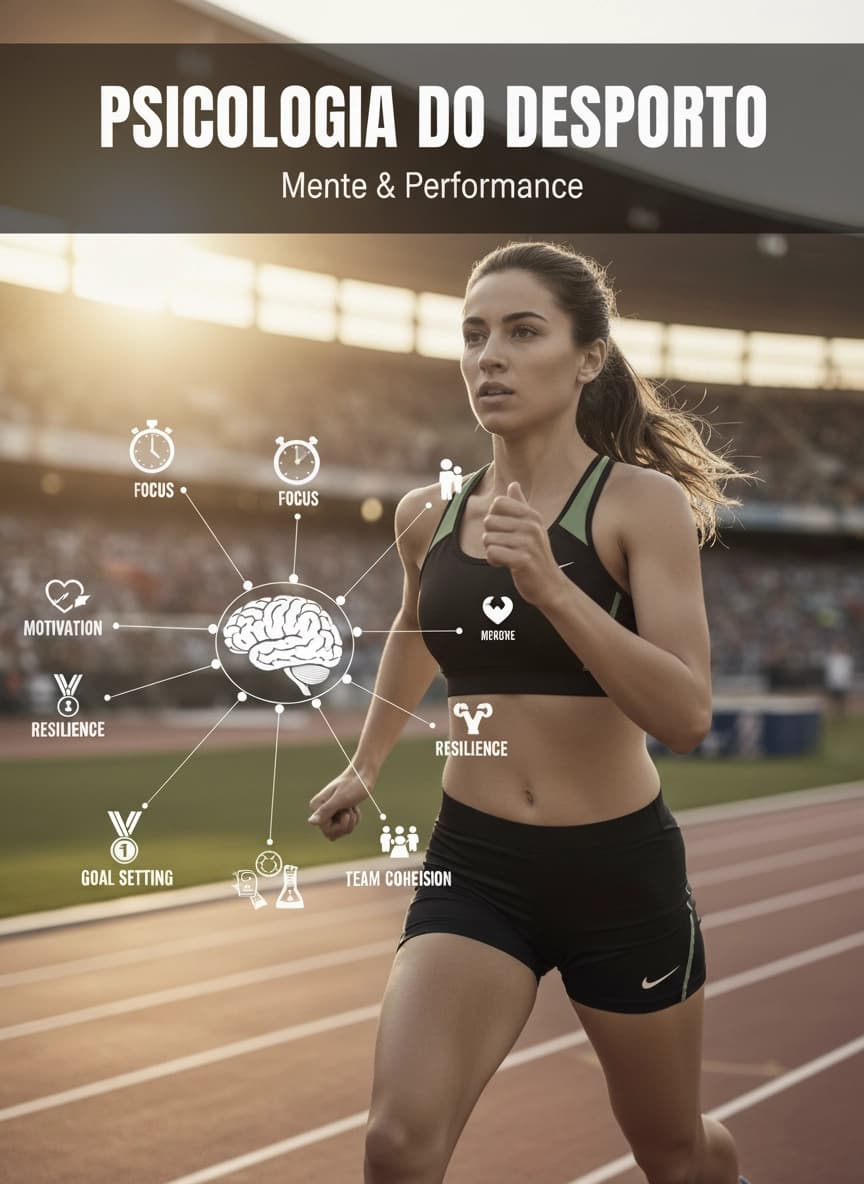
Sport Psychology explores how thoughts, emotions, and behavior influence performance and wellbeing in athletes and teams. It goes far beyond motivation on game day. It includes anxiety management, focus, confidence, training routines, and recovery after injury. It also looks at team communication, leadership, relationships with coaches, and the pressure of expectations, both in elite settings and amateur sports. A psychological approach helps build consistent mental habits, set realistic goals, and handle setbacks without losing direction. I am especially interested in burnout prevention, athlete identity, and career transitions, topics that are often invisible. When mental training becomes part of daily practice, performance tends to become more stable and sport can feel enjoyable again. In an academic context, this area connects science, practice, and ethics, respecting limits and each athlete’s individuality.